Why Hand Injuries From Dog Bites Need Prompt Attention
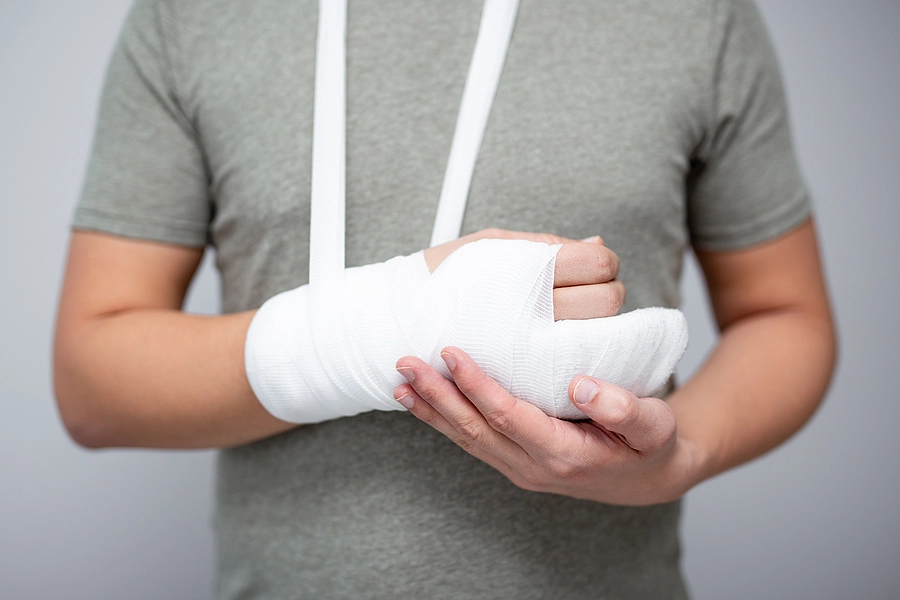
Hands are among the most common places a dog bite lands. People often raise their hands instinctively to protect themselves, reach out to pet a dog, or try to separate animals during a fight. Because a bite to the hand can look small on the surface, many people are tempted to clean it at home and move on. However, the hand contains a dense network of tendons, nerves, joints, and blood vessels just beneath the skin, and a seemingly minor wound can affect how the hand works. For Charleston residents, understanding why these injuries deserve prompt care may help prevent complications. When a hand wound leads to lasting problems, questions about nerve damage and infection after a dog bite in Charleston may also arise. This article explains the risks, the warning signs, and what care may involve.
Why the Hand Is Especially Vulnerable
The hand is a complex part of the body with very little padding between the skin and the structures that allow movement. That design makes it highly functional, but it also means a bite can reach important tissue quickly.
Structures Close to the Surface
Tendons that bend and straighten the fingers run just under the skin, along with small nerves that provide feeling and fine control. Joints in the fingers and knuckles also sit close to the surface. A puncture from a tooth can reach these structures even when the outside wound appears small. Damage to a tendon or nerve may not be obvious right away, which is one reason a medical evaluation is important.
Why Infection Is a Particular Concern
A dog’s mouth carries bacteria that can enter the body through a bite. Hand wounds are often considered higher risk for infection because puncture wounds are hard to clean and the hand has many small spaces where bacteria can become trapped. Reduced blood flow in some areas of the hand may also make it harder for the body to fight infection. When an infection reaches a tendon sheath or joint, it may require more involved treatment.
Warning Signs That Need Medical Attention
Some symptoms appear immediately, while others develop over the following hours or days. Knowing what to watch for can help a person decide when to seek care or return to a provider.
Signs of Possible Infection
Redness that spreads, increasing swelling, warmth, worsening pain, or drainage from the wound may signal an infection. Fever or red streaks moving up the arm can be signs that an infection is spreading and needs urgent attention. The National Library of Medicine’s MedlinePlus page on animal bites explains that animal bites can become infected and describes when to contact a health care provider. Prompt treatment often helps reduce the chance of a more serious problem.
Signs of Nerve or Tendon Damage
Numbness, tingling, or loss of feeling in a finger may point to nerve involvement. Difficulty bending or straightening a finger, weakness when gripping, or a finger that rests in an unusual position may suggest tendon damage. These signs should be reported to a medical provider as soon as possible. Early evaluation may give a provider more treatment options.
| Symptom | What It May Indicate |
|---|---|
| Spreading redness or warmth | Possible infection in the surrounding tissue |
| Fever or red streaks on the arm | Infection that may be spreading |
| Numbness or tingling in a finger | Possible nerve involvement |
| Trouble bending or straightening a finger | Possible tendon injury |
What Medical Care May Involve
Treatment for a hand bite depends on the depth and location of the wound, the person’s health history, and how soon care is received. A provider will typically tailor treatment to the individual situation.
Initial Evaluation and Wound Care
A provider will usually clean the wound thoroughly and check movement, feeling, and blood flow in the hand. Imaging, such as an X-ray, may be ordered if there is concern about a fracture or a foreign object. Antibiotics are often considered for hand bites because of the higher infection risk. In some cases, a provider may choose to leave certain wounds open rather than closing them with stitches, and a tetanus shot may be recommended if a person is not up to date.
Follow-Up Care and Referrals
Some hand injuries need follow-up visits to make sure healing is on track. If there are signs of tendon or nerve damage, a provider may refer the patient to a hand surgeon for further evaluation. Hand therapy, often provided by occupational or physical therapists, may be recommended to help restore strength and range of motion. Following the treatment plan closely and attending follow-up appointments may support a better recovery.
How Hand Injuries Can Affect Daily Life
Because people rely on their hands for nearly every task, even a temporary injury can disrupt work, family life, and hobbies. Longer-term effects may also occur in some cases.
Work and Everyday Tasks
A hand injury may make it difficult to type, lift, drive, cook, or care for children. People who work with their hands, such as tradespeople, health care workers, or musicians, may need extended time away from their jobs. Even simple tasks like buttoning a shirt or opening a jar can become frustrating. Keeping track of missed work and limitations in daily activities can help document the full effect of an injury.
Possible Long-Term Effects
Some people recover fully, while others may experience lingering stiffness, reduced grip strength, sensitivity, or scarring. Nerve injuries can take time to heal, and recovery may be partial in some cases. Ongoing pain or limited motion may affect a person’s ability to return to certain activities. Medical records that track symptoms over time can help show how an injury progressed.
Protecting Your Health and Your Options
We have seen how a bite to the hand can affect far more than the skin, and we know how stressful it can be to manage treatment, missed work, and uncertainty about recovery. Getting prompt medical care, following up on warning signs, and keeping careful records may help protect both your health and your ability to pursue a claim. Our team of Charleston dog bite attorneys can review what happened and explain how South Carolina law may apply to your situation. If you are dealing with a hand injury from a dog bite, we invite you to contact us for a free consultation to talk through your options.